
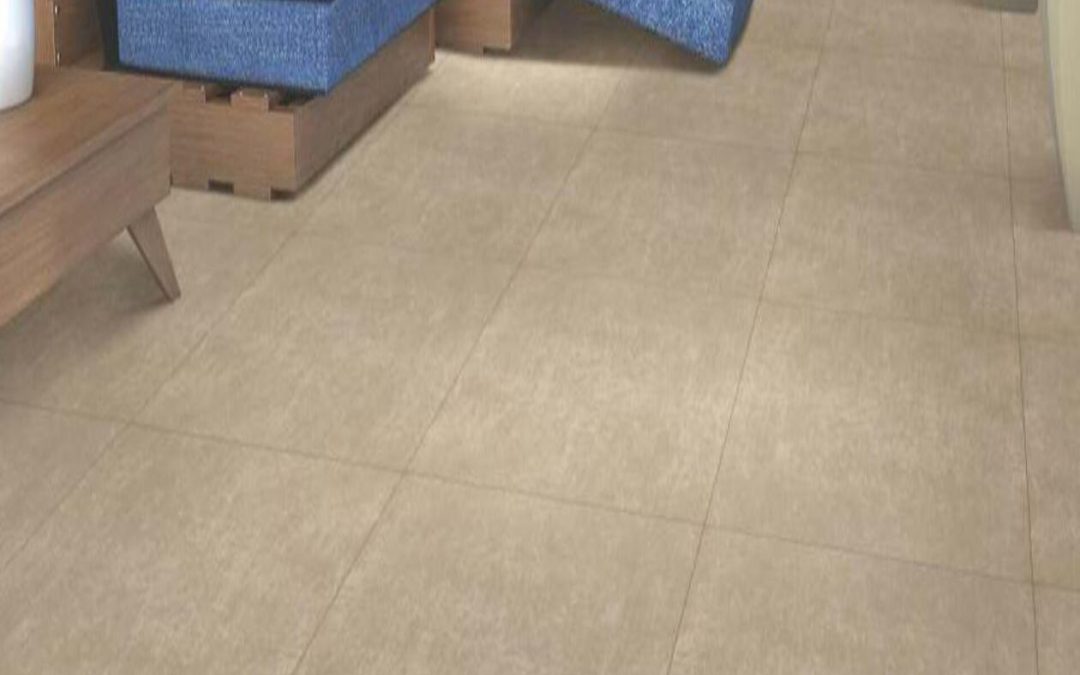
Choosing the right floor tiles for the home is not just about aesthetics; it’s about combining durability and style. Big format vitrified and ceramic tile slabs add a clean and open atmosphere to your interiors, combined with great strength and easy maintenance. But to preserve their beauty, proper installation and care are very important. This guide takes you through installation tips and maintenance best practices so that your investment in the best tiles for the home really pays off.
Best Tiles for Home: Installation & Care Insights
Planning the Layout Early
Begin by laying out the way that the large vitrified tiles will go in the space. Their size translates to fewer lines of grout, but what that means is that they require a greater amount of precision. A good plan of the design reduces cuts and ensures that the design runs smoothly from wall to wall or floor to floor. Consult your installer with regard to substrate preparation; it must be flat and level to prevent the problems of cracks or unevenness later on.
Substrate Preparation and Adhesive Choices
For big slabs, the substrate should be well reinforced and flat. Use a quality, flexible glue that’s rated for large tile sizes. Given the weight and size, tile installers often resort to a back-buttering method of installation (applying adhesive on both the substrate and the tile) in order to provide complete contact. This technique helps in reducing the voids below the tile and in avoiding hollow spots.
Grouting and Joint Management
Because the tiles are large in size, it’s tempting to make grout joints very thin. But it is safer if a small uniform gap is maintained (often about 3 – 5 mm). Use a large format tile designed grout; epoxy or modified cementitious grout is good. Be sure to make joints clean and straight. It is more obvious on large vitrified tiles. Seal the grout after it cures to prevent stains and ingress of moisture.
Movement Joints and Expansion
Tiles expand and contract a little bit with the changes in temperature. In big areas, you must include movement joints at regular intervals, especially at walls, corners or any structural joint. These joints are used to ensure that your slabs are not stressed by thermal or mechanical movements. Use flexible sealants with the same grout colour to maintain visual consistency.
Cleaning Immediately After Installation
Once installed, clean the surface gently to remove the adhesive residue. Use a neutral pH cleaner. Do not use acidic or abrasive cleaners, at least on ceramic tiles and glazed vitrified slabs. Rinse thoroughly with clean water and let the floor dry slowly. Do not walk on the surface aggressively for a minimum of 24 hours to allow the adhesive to set completely.
Regular Maintenance for Long Life
Big format slabs are inherently lower maintenance due to reduced grout lines. But in order to maintain such a sleek appearance, sweep or vacuum regularly and mop with a mild cleaner. For ceramic and vitrified tiles, avoid strong chemicals, stick to pH-neutral cleaning solutions. For stubborn stains, use a soft scrub brush, but ensure that you do not scrub too much so as not to scratch it up.
Dealing with Spills and Stains
Spills should be wiped up as quickly as possible. For the best vitrified floor tiles, a quick mop with soapy water is generally sufficient. Do not use steel wool or abrasive pads. If you do get a stain, use a good stain remover recommended for ceramic or vitrified surfaces, and test out a small corner first. Reseal grout if it starts to appear dull or absorb more moisture with time.
Preventive Measures for Longevity
Place felt pads or mats underneath heavy furniture so it doesn’t scratch or chip. At entrances, use doormats so that the dust and grit are not like sandpaper on your tile. In areas of the house that are humid or wet, make sure there is good ventilation so that water does not pool and damage the lines on grout.
Monitoring for Cracks or Damage
Although large vitrified tiles are very strong, they are not immune to impact damage. Keep a lookout for corners and edges. Small hairline cracks should be dealt with in the early stages by replacing affected slabs; leaving them will make the damage worse. Always have a few extra tiles of the same batch; it is not easy to match dye and finish at a later stage.
Big format vitrified and ceramic slabs provide a beautiful, seamless appearance that adds value to any interior. But that elegance is dependent on correct installation and careful care. By making plans to lay it down, using the proper glue and grout, and being consistent with the cleaning of the floors, you can have gorgeous floors for years to come. With the latest tile design trends tending towards large slabs with minimal joints, you are on trend when you choose them well.
If you are looking into these options, the Karnika Group is an excellent partner from which to get authentic and quality large-format tiles. They offer a wide range, from the best vitrified floor tiles to ceramic combinations, with expert advice on how to select the best tiles for the home. Their years of experience make them trusted in helping with the transformation of your spaces to be beautiful.
FAQs
1. What makes large slabs good floor tiles for home projects?
They create spacious visuals with fewer joints and simple upkeep.
2. How to choose the best tiles for the home when comparing ceramic and vitrified tiles?
Match tile strength and maintenance needs with traffic and moisture levels.
3. Why do homeowners prefer best vitrified floor tiles over other options during installation?
They offer strong durability and a clean, modern style that suits wide spaces.